Is snow globe liquid poisonous?
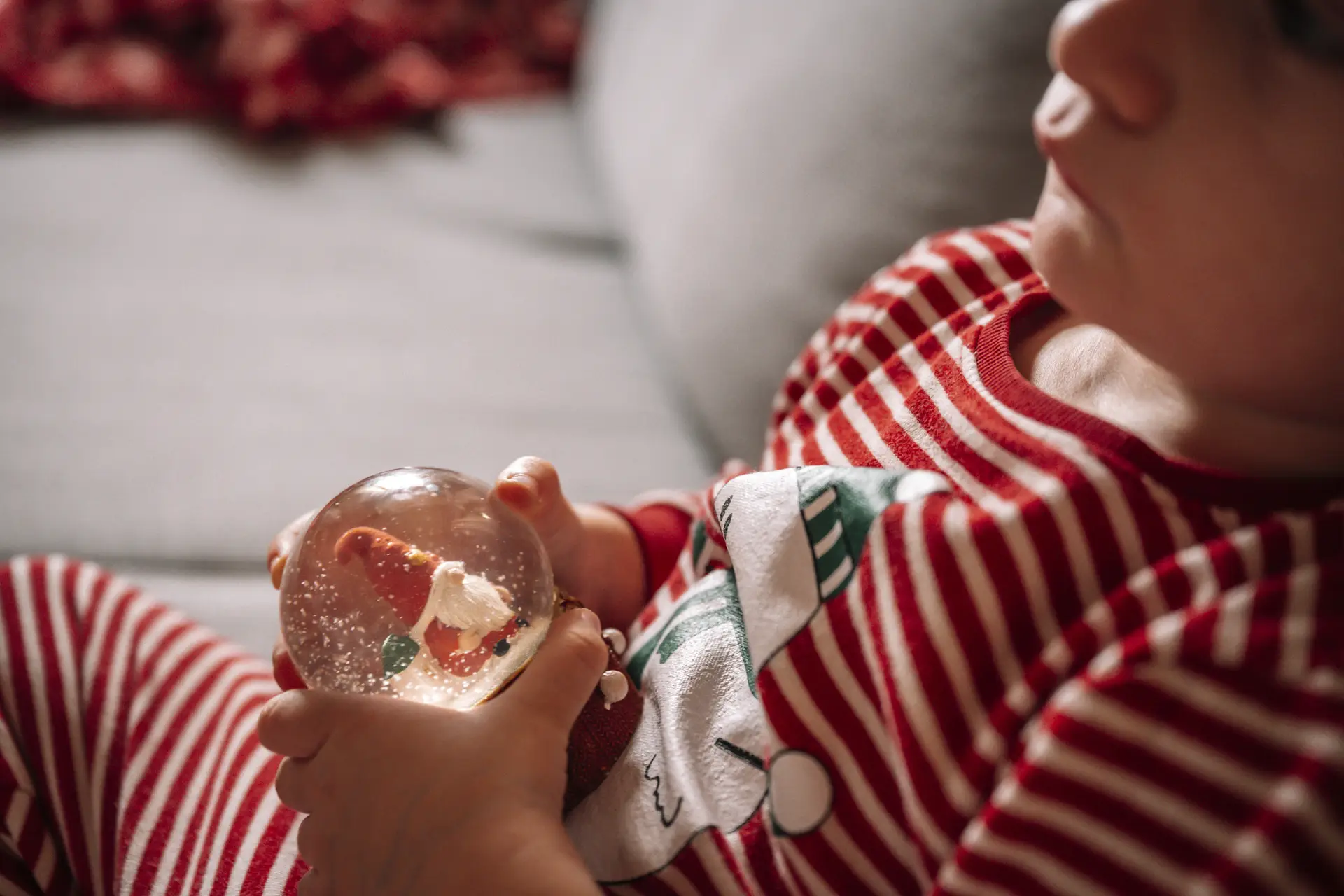
The bottom line
Snow globes contain water, glycerin, antifreeze (ethylene glycol), and "snow" (plastic pieces). Although antifreeze is poisonous, the small amount in a snow globe is unlikely to be toxic. Glycerin has very low toxicity risk. If someone swallows the liquid, wipe out the mouth with a damp cloth. For a splash on the skin, wash with soap and water. If it gets into the eyes, rinse with water for 15 minutes.
Prevention tips
Place snow globes up, away, and out of reach of young children.
Check packaging for care instructions and warnings.
Lift from the base, not the globe.
Place on a sturdy, flat surface away from heat.
Keep out of direct sunlight.
Be sure the rim is sealed and the liquid is not leaking.
This really happened
A 3-year-old boy grabbed a snow globe off the table. It fell and broke, splashing liquid on his face and in his eyes. His mother rinsed his skin with water and briefly ran water into his eyes. She called her poison center and told the poison specialist that he was rubbing his eyes and crying but was otherwise fine. The poison specialist asked if the mother thought he swallowed any. The mother said no. The poison specialist recommended washing his face with soap and lukewarm water and rinsing his eyes with water for 15 minutes. She was also told to clean up the liquid and broken glass with a paper towel, put it into a sealed plastic bag, and put it in the trash. At follow-up 1 hour later, the child was fine.
Poisoned? Get expert help.
Don't guess what you should do. Get accurate answers online or by phone. Both ways are free and confidential.
OR
call 1-800-222-1222
What is the liquid inside a snow globe?
The liquid inside a snow globe is water, glycerin, and a small amount of antifreeze. The water is sometimes distilled, which keeps the water clear of cloudiness or mineral buildup. Glycerin is a clear, thick liquid that makes the "snow" float slowly to the bottom. Antifreeze prevents the water from freezing during shipping. The globe is traditionally glass, but it can be plastic or acrylic. The "snow" in modern snow globes is usually white plastic pieces.
Is snow globe liquid poisonous?
Yes, it can be poisonous because of the antifreeze, which is ethylene glycol or another glycol. However, the concentration in a snow globe is low enough that the risk of serious toxicity is low. Glycerin has very low toxicity if swallowed.
My child swallowed snow globe liquid. What should I do?
Wipe out your child’s mouth with a damp cloth. Be sure there is no broken glass on your child or nearby. Check for cuts from the broken glass, and if minor cuts are present, wash the wound with soap and water and put gentle pressure on it until the bleeding stops. Cover with a bandage if needed. Observe your child for symptoms.
Get expert help
If someone swallows snow globe liquid, gets it in the eyes or on the skin, or if you have questions about the safety of snow globe liquid, use the webPOISONCONTROL® online tool to get help, or call your poison center at 1-800-222-1222. Whether online or by phone, expert guidance is always free, confidential, and available 24 hours a day.
What happens if snow globe liquid gets on the skin or in the eyes?
If snow globe liquid gets on the skin, remove wet clothing and wash the skin with soap and water. If it gets in the eyes, remove any contact lenses and rinse the eyes with water for 15 minutes. Do not put drops in your eyes.
Symptoms of ethylene glycol poisoning
Serious poisoning from a snow globe is unlikely. With larger amounts of ethylene glycol, the first symptoms look like alcohol intoxication, including slurred speech, incoordination, dizziness, nausea, and vomiting. Seizures and coma are possible. At 12–24 hours, the blood pressure, heart rate, and breathing rate increase, and heart failure or fluid in the lungs (pulmonary edema) is possible. At 1–3 days, kidney injury can occur, with little or no urine, dark urine, back pain, and muscle cramps.
What should you do if a snow globe breaks?
Clean up the liquid and any glass, plastic, or acrylic pieces with paper towels. Put them in a sealed bag and throw it away. Keep children away from the spill.