|
Medications Can Get Confusing!
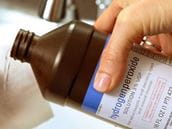
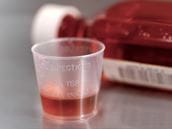
Many poison center calls are from older adults who get their medications confused. This is always cause for alarm. Sometimes it's dangerous. Here are some frequent examples:
-
Taking an extra dose because you forgot that you took your medicine already.
-
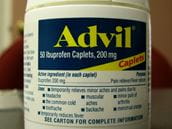
Taking two medicines with the same active ingredient, for example two kinds of cough and cold medicine.
-
Taking the wrong kind of insulin.
-
Putting all the pills in one container, then not remembering if the blue one was for blood pressure or arthritis.
-
Forgetting to take your medicine.
We're fortunate that medicines help us live long, productive lives. But, it can be terrifying to be dizzy because you took a double dose. It can be expensive to spend a day in the hospital because you took the wrong medicine. And no one wants to forget his or her medicine and become ill as a result.
There are solutions, but the best solution for one person might not work for another. Work with your health care provider, pharmacist, and/or your family members to find the medication management technique that's best for you. Here are a few examples:
-
A medication minder has compartments for day of week and time of day. There are many sizes available. These can be set up once a week. All during the week, a quick glance will tell you if you took your pills with breakfast or forgot your pills in the evening. (If young children spend time in your home, be sure this container is child-resistant. Store it where children cannot get to it.)
-
A written log can be set up ahead of time or written in as you take your medicines. Either way, you can tell at a glance if you've taken your medicines.
-
If you forget to take medicine, an alarm or buzzer could work to remind you.
Whether filling a minder, taking medicine from a container, or measuring insulin, basic safety techniques apply:
-
Take only your own medicine.
-
Check the label every time you take medicine. Take the right medicine at the right time in the right amount.
-
If you need glasses, wear them.
-
Turn on the light!
If you think you've made a mistake with your medicine, you can call the Poison Center 24-hours-a-day. The Poison Center's expert staff of nurses, pharmacists, and physicians will figure out if your mistake could be hazardous. If so, they will guide you through whatever treatment might be needed. The 24-hour Poison Center phone number is 1-800-222-1222.

|
|
|
Every Week is Poison Prevention Week at National Capital Poison Center
The United States observes National Poison Prevention Week during the third week in March. At the National Capital Poison Center, every week is Poison Prevention Week. This year, the poison center provided free poison prevention materials to child care providers in DC, Montgomery and Prince George's Counties in Maryland, and Arlington, Alexandria, Fairfax, Loudoun, Prince William, Stafford and Fauquier Counties in Virginia. In addition, the Poison Center offered free poison prevention materials to every pharmacy in those areas. This is in addition to materials provided earlier in the year to pediatricians and obstetricians and gynecologists. If you would like poison prevention materials for your home or organization, you can order on-line. Phone stickers, magnets, brochures, posters, and DVDs for pre-school children are all available. Help the Poison Center spread the poison prevention message! | |
Poisoning, Locally and Nationally
According to the most recent national data available from the U.S. Centers for Disease Control and Prevention (CDC), poisoning was a leading cause of injury death in 2005, second only to motor vehicle crashes. Seventy percent of these poisoning deaths were unintentional.

|
He Sat on a Snake (and other true stories for spring time)
On a hike with his family, a ten-year-old sat down on a log. He didn't look first. Oops - a snake bite in a most unexpected place...

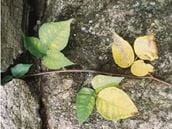
On a pleasant early spring day, a woman pulled on her gardening gloves. Oops again - a spider had taken up residence in one of the fingers... A young man pulled some wild carrots to cook in his stew. After he developed seizures, someone identified the "carrots" as hemlock... In the woods or in the garden, nature can surprise the unprepared. Here are a few safety tips for hikers and gardeners. | |
|
|
|