
Parents: Know about Inhalant Abuse
The Bottom Line
Inhalant abuse means trying to get high by breathing in vapors, fumes, or aerosol sprays. Thousands of products can be abused by inhaling. These are ordinary household products—and they are poisons. Nearly 20 percent of eighth-graders admit to abusing inhalants, but most parents don't even know about it. Inhalants can kill—even the first time.
The Full Story
Nearly 20 percent of eighth-graders admit to abusing inhalants, but most parents don't even know about it.
Pre-teens and teens will abuse any number of ordinary household items because they are cheap, legal, and available. Abusers are seeking a drug-like high, but that occurs only if the brain is deprived of oxygen. Even one-time abusers can die suddenly of an irregular heart rhythm; the heart is also being deprived of oxygen. Chronic abusers can experience damage to the nervous system, kidneys, liver, and other body organs.
What is it? Inhalant abuse means trying to get high by breathing in vapors, fumes, or aerosol sprays. These are ordinary household products – and they are poisons.
Who does it? Usually, pre-teens and teenagers. Nearly one in five 8th graders has tried inhalants.
When? Before school. During school. After school. Nights. Weekends.
Where? Home. A friend's home. School. In cars. Just hanging out. Anywhere without supervision.
Why? In the words of one teen, "Because they can. Because they're bored. Because they're upset." In short, for any reason or no reason.
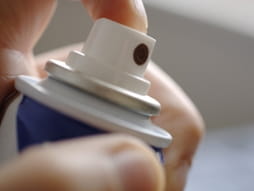
How? Huffing. Bagging. Sniffing. Pouring a product into a bag and breathing it in. Pouring a product onto a rag or clothing and inhaling. Putting the nozzle into the mouth and taking a deep breath.
So what? Inhalants kill.
The Poisons are Right Under Your Nose
…and under your sink, in your shed or garage or workroom, in your office, and in your yard. They are at school, in stores and at work.
These ordinary, legal products are safe when used according to directions. They are poisons if swallowed or sniffed, huffed, or bagged.
Thousands of products can be abused by inhaling. Common examples include anything in an aerosol can, solvents, and fuels:
- Aerosol deodorant
- Air freshener
- Computer gas "duster"
- Correction fluid
- Gasoline
- Glue (solvent-based)
- Hairspray
- Helium
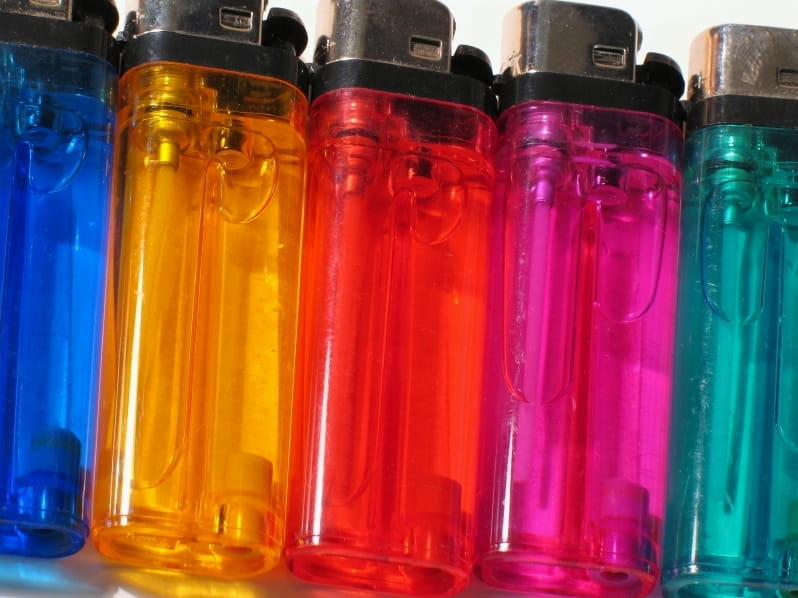
- Lighters and lighter refills
- Markers (solvent-based)
- Nail polish, nail polish remover
- Nitrous oxide (whipped cream cans, "whippets")
- Paint thinner
- Air conditioner coolant
- Propane
- Spray Paint
Inhalants are Deadly
The first time, or any time, could be the last time.
What happens? Breathing an inhalant is breathing a poison. The substance goes into the bloodstream right away. Then, it goes to the brain, the heart, and other body organs. Effects may be short term or permanent – or fatal.
Short term effects: Dizziness. Nausea. Headache. Confusion. Slurred speech. Lack of coordination. Passing out.
Long term or permanent effects: Brain damage. Nerve damage. Kidney damage. Liver damage. Muscle damage. Bone marrow damage. Addiction, both physical and psychological.
Any time: "Sudden Sniffing Death" can happen to anyone abusing an inhalant. The brain loses oxygen. Stress hormones flood the body. The heartbeat becomes irregular. Death follows rapidly. This can happen the first time…the hundredth time...any time. The body never becomes used to the effects of inhalants.
Protecting Your Children From Inhalants
Prevent inhalant abuse:
- Talk to your teenagers about the dangers of inhalants.
- Demonstrate safe use of medicines and household products. Teach children to be careful – these are poisons if used the wrong way.
- Include inhalants when you teach about substance abuse (drugs, alcohol, tobacco). Inhalants are poisons, pollutants, and fire hazards. But, they have drug-like effects. They can kill if used the wrong way.
- Keep track of inhalants in your home. Where are they? Are they being used up too quickly?
Detect inhalant abuse:
- Are large quantities of household products purchased or missing?
- Do you find stashes of plastic bags, smelly rags, or empty containers?
- Does your child have rashes on the face or a chronic sore throat or mouth?
- Do you smell a chemical odor on your child's breath or clothes?
- Are there are other signs of substance abuse: changes in behavior, friends, grades, or grooming; changes in weight or health for no obvious reason.
What to do when someone is huffing:
- Remain calm.
- Keep victim calm.
- Do not argue with user! When someone is high on inhalants, stress can cause the heart to stop.
- If the victim won't wake up, is not breathing, or is having seizures, call 911.
- If there are other symptoms, or no symptoms, call Poison Control: 1-800-222-1222.
Rose Ann Gould Soloway, RN, BSN, MSEd, DABAT emerita
Clinical Toxicologist
Poisoned?
CALL 1-800-222-1222
Prevention Tips
- Talk to your teenagers about the dangers of inhalants.
- Demonstrate safe use of medicines and household products. Teach children to be careful – these are poisons if used the wrong way.
- Include inhalants when you teach about substance abuse (drugs, alcohol, tobacco). Inhalants are poisons, pollutants, and fire hazards. But, they have drug-like effects. They can kill if used the wrong way.
- Keep track of inhalants in your home. Where are they? Are they being used up too quickly?
This Really Happened
Case 1: A young teen boy male was found unconscious at home. He had been deliberately inhaling fumes from a video head cleaning solution. These may contain propellants that when deliberately abused by inhalation, may cause loss of consciousness due to lack of oxygen to the brain, seizures, heart rhythm disturbances and death. The patient was brought by ambulance to the nearest emergency room in cardiac arrest. The emergency physician consulted Poison Control and was provided toxicity information. Cardiopulmonary resuscitation and maximal use of advanced life support were unsuccessful and the patient died ten minutes later.
Case 2: A 14-year-old boy was found dead, lying in mud between an air conditioner unit and the side of a house. The cap to the coolant hose of the unit and a straw were found beneath the body. The autopsy revealed pulmonary edema (fluid accumulation in the lungs) with foam in the respiratory tract and diffuse congestion of his internal organs. Analysis of several bodily tissues confirmed the presence of difluorochloromethane (DFCM), a refrigerant. Inhalation of DFCM may cause convulsions, suffocation, heart rhythm disturbances, coma and death. Huffing, or deliberate abuse of a substance by inhalation, of air conditioner fluid is a form of substance abuse that may be growing in popularity because of the widespread availability of outdoor air conditioning units. The toxicity of DFCM inhalation abuse is potentially immediately fatal.
Reference: Phatak, D. R., & Walterscheid. J. (2010). Huffing air conditioner fluid – a cool way to die? American Journal of Forensic Medical Pathology (31)3, 1-4.
For More Information
National Inhalant Prevention Coalition: 1-800-269-4237
New England Inhalant Abuse Prevention Coalition
References
Cairney S, O'Connor N, Dingwall KM, Maruff P, Shafiq-Antonacci R, Currie J, Currie BJ. A prospective study of neurocognitive changes 15 years after chronic inhalant abuse. Addiction. 2013;108:1107–1114.
Marsolek MR, White NC, Litovitz TL. Inhalant abuse: monitoring trends by using poison control data, 1993-2008. Pediatrics. 2010;125;906-913.
Phatak DR, Walterscheid J. Huffing air conditioner fluid: a cool way to die? Am J Forensic Med Pathol. 2010;31:1-4.
Williams JF, Storck M, American Academy of Pediatrics Committee on Substance Abuse and Committee on Native American Child Health. Inhalant Abuse. Pediatrics. 2007;119;1009-1017.
Poisoned?
CALL 1-800-222-1222
Prevention Tips
- Talk to your teenagers about the dangers of inhalants.
- Demonstrate safe use of medicines and household products. Teach children to be careful – these are poisons if used the wrong way.
- Include inhalants when you teach about substance abuse (drugs, alcohol, tobacco). Inhalants are poisons, pollutants, and fire hazards. But, they have drug-like effects. They can kill if used the wrong way.
- Keep track of inhalants in your home. Where are they? Are they being used up too quickly?
This Really Happened
Case 1: A young teen boy male was found unconscious at home. He had been deliberately inhaling fumes from a video head cleaning solution. These may contain propellants that when deliberately abused by inhalation, may cause loss of consciousness due to lack of oxygen to the brain, seizures, heart rhythm disturbances and death. The patient was brought by ambulance to the nearest emergency room in cardiac arrest. The emergency physician consulted Poison Control and was provided toxicity information. Cardiopulmonary resuscitation and maximal use of advanced life support were unsuccessful and the patient died ten minutes later.
Case 2: A 14-year-old boy was found dead, lying in mud between an air conditioner unit and the side of a house. The cap to the coolant hose of the unit and a straw were found beneath the body. The autopsy revealed pulmonary edema (fluid accumulation in the lungs) with foam in the respiratory tract and diffuse congestion of his internal organs. Analysis of several bodily tissues confirmed the presence of difluorochloromethane (DFCM), a refrigerant. Inhalation of DFCM may cause convulsions, suffocation, heart rhythm disturbances, coma and death. Huffing, or deliberate abuse of a substance by inhalation, of air conditioner fluid is a form of substance abuse that may be growing in popularity because of the widespread availability of outdoor air conditioning units. The toxicity of DFCM inhalation abuse is potentially immediately fatal.
Reference: Phatak, D. R., & Walterscheid. J. (2010). Huffing air conditioner fluid – a cool way to die? American Journal of Forensic Medical Pathology (31)3, 1-4.