
Carbon Monoxide: What You Need to Know
The Bottom Line
It's not an intriguing or novel hazard, just the persistent, invisible killer: carbon monoxide. Seriously, you still don't have a carbon monoxide alarm in every sleeping area of your home? Get one! And keep fuel-burning appliances in good repair; don't use grills or gasoline-powered tools indoors, and don't run your car in an attached garage or place a generator close to your home.
Make no mistake: carbon monoxide kills.
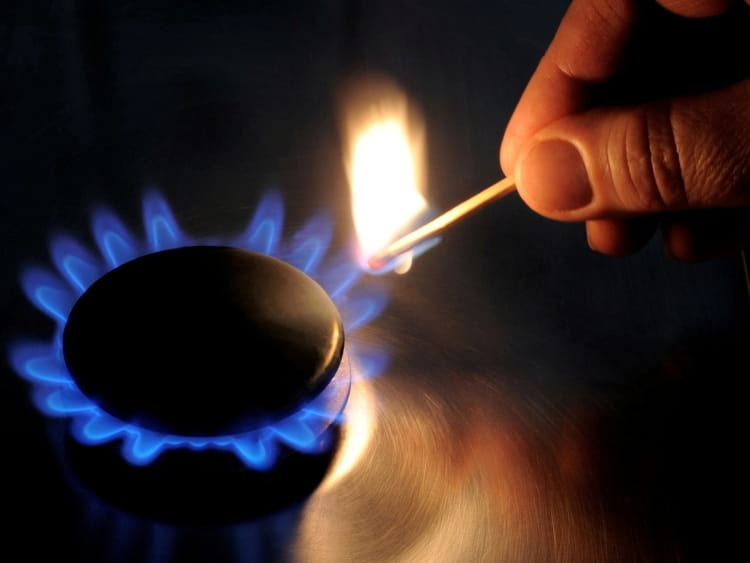
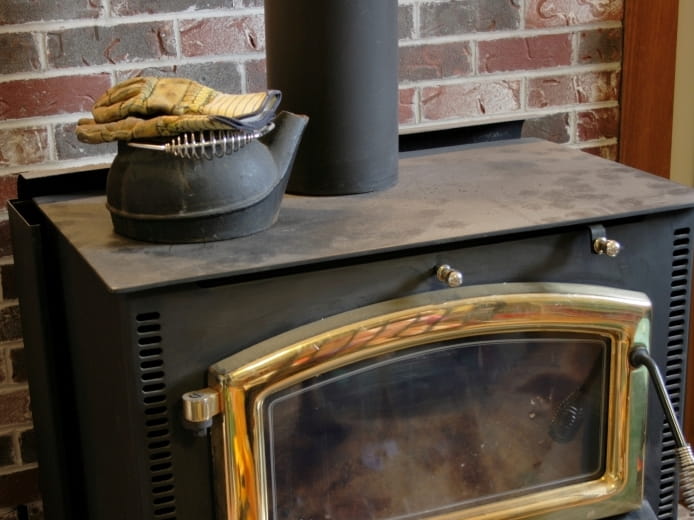
Carbon monoxide gas is produced when ordinary fuels burn, for example gasoline, kerosene, wood, propane, and natural gas. Carbon monoxide gives no hint of its presence; it is colorless and odorless. When you breathe it in, carbon monoxide prevents your blood cells from carrying enough oxygen. The brain and heart suffer quickly, but all body organs are harmed by lack of oxygen. High levels of carbon monoxide can kill quickly, but even low levels can have long-lasting effects. Permanent brain damage can result.
How to eliminate carbon monoxide from your home:
- Have every appliance that burns gas, wood, or kerosene inspected. This includes furnaces, ovens and stoves, water heaters, clothes dryers, fireplaces, wood-burning stoves, and space heaters. Be sure they are operating correctly and that flues, chimneys, and vents are clean and in good repair.
- Don't use gasoline-powered tools and engines indoors.
- Make sure exhaust fumes from generators cannot enter your home.
- Never leave a car running in an attached garage - even if the garage door is open.
- Clear snow from around vents and pipes such as clothes dryer vents and car exhaust pipes.
- Do not try to heat your home by turning on a gas oven.
- Never burn charcoal and never use portable fuel-burning camping equipment inside a home, garage, vehicle, or tent.
How to detect carbon monoxide:
- Install a carbon monoxide alarm in the hallway near every sleeping area in the home. Follow installation instructions, but usually carbon monoxide alarms should be placed on the wall about five feet above the ground. A variety of alarms are available at hardware stores and home centers. Fire departments often offer free alarms for families who can’t afford to purchase them.
- Check the battery at least twice a year, when you check your smoke alarm battery.
- If the alarm sounds, leave the home immediately and call your local fire department.
You should suspect carbon monoxide poisoning when:
- Headaches, nausea, and/or flu-like symptoms clear up when you go outdoors.
- Several people develop symptoms of headache, nausea, and fatigue or drowsiness at the same time.(Children and pets are often affected first.)
Suspect carbon monoxide poisoning?
- If someone is unconscious, not breathing, or having seizures, call 911 immediately.
- Otherwise, call Poison Control at 1-800-222-1222 or use the webPOISONCONTROL® online tool for guidance. Poison Control will give you personalized advice right away.
Rose Ann Gould Soloway, RN, BSN, MSEd, DABAT emerita
Clinical Toxicologist
Poisoned?
Call 1-800-222-1222 or
Prevention Tips
- Maintain all fuel-burning appliances regularly.
- Do NOT use charcoal grills and generators inside the house, garage, car, or tent.
- Install carbon monoxide alarms outside of every sleeping area in the home.
- If the alarm sounds, leave the home immediately.
This Really Happened
A 30-year-old woman was pulled from a house fire. She was unconscious but had no apparent burns. A breathing tube was inserted by paramedics, she was placed on 100% oxygen, and admitted to the intensive care unit (ICU). Blood studies showed that she had carbon monoxide poisoning. The ICU physician called Poison Control, which recommended hyperbaric oxygen if it could be performed. (Hyperbaric oxygen treatment is breathing pure oxygen in a pressurized room, allowing the lungs to gather up to three times more oxygen than breathing pure oxygen at room temperature.) The patient needed a ventilator as she could not breathe on her own. A neurological evaluation revealed brain damage and her condition continued to deteriorate. The patient’s family made her status "do not resuscitate" and she was taken off life support and given morphine as a comfort measure. After three weeks in the hospital, the patient died.
For More Information
Cabon monoxide safety from the Consumer Product Safety Commission
References
Bateman N. Carbon monoxide. Medicine. 2012;40(3):115-116.Poisoned?
Call 1-800-222-1222 or
Prevention Tips
- Maintain all fuel-burning appliances regularly.
- Do NOT use charcoal grills and generators inside the house, garage, car, or tent.
- Install carbon monoxide alarms outside of every sleeping area in the home.
- If the alarm sounds, leave the home immediately.
This Really Happened
A 30-year-old woman was pulled from a house fire. She was unconscious but had no apparent burns. A breathing tube was inserted by paramedics, she was placed on 100% oxygen, and admitted to the intensive care unit (ICU). Blood studies showed that she had carbon monoxide poisoning. The ICU physician called Poison Control, which recommended hyperbaric oxygen if it could be performed. (Hyperbaric oxygen treatment is breathing pure oxygen in a pressurized room, allowing the lungs to gather up to three times more oxygen than breathing pure oxygen at room temperature.) The patient needed a ventilator as she could not breathe on her own. A neurological evaluation revealed brain damage and her condition continued to deteriorate. The patient’s family made her status "do not resuscitate" and she was taken off life support and given morphine as a comfort measure. After three weeks in the hospital, the patient died.