Search Results

Displaying 601 - 610 of 680 results for "hydrogen peroxide and iodine"

Are Chinaberry Trees Poisonous?

Are Chinaberry Trees Poisonous?

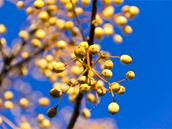
Chinaberry trees are an invasive species that can be harmful if any part is chewed on or swallowed. Ingestions of small amounts of plant material can cause gastrointestinal upset such as vomiting and diarrhea within 1 hour. Most reports of large ingestions resulting in severe symptoms have occurred in animals.



Non-Toxic Substances Cause Worry

Non-Toxic Substances Cause Worry

Many household items are non-toxic (not poisonous) to children, even though they sound scary. Birth control pills, silica gel packets that say "do not eat", and potting soil are among them. BUT young children can choke on non-toxic products.


Swallowed a coin? Here’s what you need to know.

Swallowed a coin? Here’s what you need to know.

Swallowed coins often pass through the gut on their own, but sometimes they get stuck in the esophagus and cause serious tissue damage. Swallowed coins can lodge in the windpipe (trachea) and cause choking. After a coin is swallowed, an x-ray is often performed to determine the location of the coin and help guide treatment recommendations.


Are Plastics Toxic?

Are Plastics Toxic?

Ingested plastic is not toxic. If you swallow a small piece, it should pass through your digestive system without causing harm. If you choke on the piece of plastic or it gets stuck in your throat or esophagus, you may experience difficulty breathing or chest pain. If the piece of plastic is sharp, it could cut somewhere along your digestive tract, which can cause bleeding.


Take Acepromazine by Mistake?

Take Acepromazine by Mistake?

Acepromazine is a drug used to sedate animals and is not for human use. Most acepromazine poisonings occur in curious children or when people unintentionally mistake it for their own medication. Common symptoms of acepromazine poisoning include drowsiness and slowed breathing. In some cases, seizures, coma, and death have been reported.


Allergic Reactions to the Black-Eyed Susan Flower

Allergic Reactions to the Black-Eyed Susan Flower

The Black-eyed Susan (Rudbeckia hirta) is a wildflower that blooms from June to October. They have bright yellow, daisy-like petals. Although the black-eyed Susan has not been known to poison humans, it should not be eaten. It can cause allergic skin reactions and asthma attacks in people sensitive to the plant.


Generic Drugs versus Brand Name Drugs

Generic Drugs versus Brand Name Drugs

Generic medicines have the same active ingredients and effects as brand name medicines, but they may be a different color, shape, or size. For many years, U.S. law has required that generic drugs look different from brand names. Many different drug companies may make versions of the same medicine. Generic drugs are less expensive than brand name drugs.


Is it Safe to Take Paxlovid with My Other Medications?

Is it Safe to Take Paxlovid with My Other Medications?

Paxlovid is an oral medication that recently received emergency use authorization from the FDA to prevent severe COVID-19 infection in high-risk individuals who test positive for the virus. While it is generally well tolerated, Paxlovid interacts with many commonly used medications, which can lead to toxicity.


Pokeberries: A Grape Look Alike

Pokeberries: A Grape Look Alike

Pokeberries are found in grape-like clusters on tall perennials with purple-red stems. Eating several berries can cause stomach pain, nausea, vomiting, and diarrhea. Adults have eaten the roots, mistaking them for medicinal plants. Serious symptoms have subsequently occurred, including bloody vomiting, bloody diarrhea, and low blood pressure.


Poisoned? Get Expert Help.

Don't guess what you should do. Get accurate Poison Control answers online or by phone. Both are free and confidential.

Get HELP ONLINE

or CALL 1-800-222-1222

Add Poison Control to your phone’s contacts

Download Poison Control vcard

Get the App!

Download the free
webPOISONCONTROL® app.

apple-logogoogle-app

Subscribe to The Poison Post®

The Poison Post® is a free, quarterly
e-newsletter delivering poison prevention tips right to your inbox!

The Poison Post

Learn the Poison Prevention Jingles

Learn the Poison Help jingle in English or Spanish. Use these jingles to teach the Poison Control number: 1-800-222-1222. Available for download.

Jingles

Poison Statistics

2013 outcome stats promo graph

National Poisoning Statistics

You're invited!

holiday card 2018

Your phantom ball invitation