What Happens When You Swallow Eye Drops?
Over-the-counter anti-redness eyedrops are used to treat irritated, red eyes. When consumed by mouth, they can result in serious toxicity and even death.

Displaying 561 - 570 of 680 results for "hydrogen peroxide and iodine"
Over-the-counter anti-redness eyedrops are used to treat irritated, red eyes. When consumed by mouth, they can result in serious toxicity and even death.
Data Analysis Published in AJEM Shows Power of Automated Poison Control Services; More Than Half of Cases in Kids Under Four
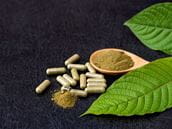
Kratom is an herbal substance with stimulant- and opioid-like properties. Although not FDA-approved, it is present in many products. It has been used to treat a variety of conditions, including pain and fatigue. Kratom is also used to get high, as an alternative to typical opioids, and for opioid withdrawal. It can cause serious adverse effects both in overdose and routine use.
Doxycycline is a common broad-spectrum antibiotic prescribed for many kinds of infections. Therapeutic doses of doxycycline are generally safe, but doxycycline may cause severe reactions. It is important to understand what doxycycline is, be aware of precautions, and know what to do in instances of unintentional ingestion, overdose, or misuse.
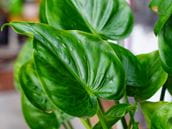
Alocasia plants make stunning houseplants, but they can be harmful if the plant material is chewed on or swallowed. These plants contain oxalate crystals that can cause mouth pain, nausea, vomiting, and diarrhea. They should be kept away from children and pets.
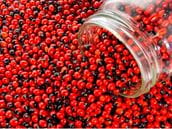
Abrus precatorius seeds (also known as rosary peas or jequirity beans) are distinctive-looking red seeds with a black spot that are occasionally used in jewelry and toys from foreign sources. The entire plant is toxic, and the seeds are highly toxic to humans.
Nandina domestica (heavenly or sacred bamboo) is an ornamental shrub with attractive foliage and red berries. It is toxic to cats, dogs, birds, and grazing animals. It contains cyanogenic glycosides that produce cyanide when hydrolyzed in the digestive tract of these animals. The plant is considered non-toxic in humans. If swallowed, mild gastrointestinal effects are possible but uncommon.
Act fast in a poison emergency. Seek help from Poison Control online or by phone and follow these first aid measures.
For years, parents were told to keep ipecac syrup at home. This medicine was used to make a child vomit after swallowing poison. Now, your doctor doesn't tell you to keep it. Poison control doesn't tell you to use it. You can’t even buy ipecac in the drugstore. It is NOT necessary to keep ipecac syrup in your home.
Nicole Reid is the Managing Director of the National Capital Poison Center, a 501(c)(3) nonprofit corporation and accredited poison control center in Washington, DC. Nicole is a Registered Nurse, a Certified Specialist in Poison Information, and a Board Certified Clinical Toxicologist with 18 years of experience working in Poison Control.
Don't guess what you should do. Get accurate Poison Control answers online or by phone. Both are free and confidential.
or CALL 1-800-222-1222


The Poison Post® is a free, quarterly
e-newsletter delivering poison prevention tips right to your inbox!
Learn the Poison Help jingle in English or Spanish. Use these jingles to teach the Poison Control number: 1-800-222-1222. Available for download.