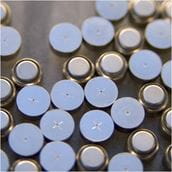
Fatal Button Battery Ingestions: 71 Reported Cases
Button battery fatal cases

Displaying 501 - 510 of 680 results for "hydrogen peroxide and iodine"
Button battery fatal cases
Ethyl chloride is a local anesthetic agent that relieves pain by cooling the skin surface. Ethyl chloride abuse, which occurs when individuals intentionally inhale its vapors, can result in sleepiness, abnormal heart rhythms, and death. Ethyl chloride is flammable and can cause frostbite if used incorrectly.
Bath color tablets are products that dissolve in bath water to create various colors. They are available in a variety of shapes including tablets, wafers, or drops, which may look edible to children. They are generally safe if ingested by accident, but could be dangerous in large amounts. They may also cause allergic reactions in some children.
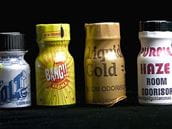
Poppers are recreational drugs containing alkyl nitrites. They are used for muscle relaxation and sexual enhancement, but using them can cause low oxygen levels, difficulty breathing, and feeling faint. In severe or untreated cases, death can occur.
Taste aversive agents are unpleasant tasting substances often added to potentially dangerous chemicals with the intent of preventing poisoning from accidental ingestion by humans or pets. They are also used in over-the-counter products to help discourage nail-biting and thumb sucking; however, there is no evidence indicating that their usage decreases the incidence or severity of poisonings.
Maryann Amirshahi, PharmD, MD, MPH, PhD, FACMT, FACEP, FASAM, FCP is Co-Medical Director of the National Capital Poison Center. Dr. Amirshahi completed her Bachelors in Pharmacy and PharmD degrees at the University of the Sciences in Philadelphia, followed by medical school at Temple University.
Overactive bladder (OAB) is a condition that causes a sudden urge to urinate. OAB can be managed through behavioral techniques and medications. However, many people experience side effects, such as dry mouth, even at therapeutic doses.
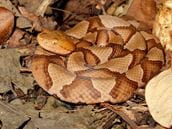
Copperheads are venomous snakes. Their bites can cause local pain, swelling, redness, bruising, and blistering, as well as systemic symptoms like low blood pressure and bleeding. In some cases, no symptoms are present. Serious effects are rare. If a bite occurs, stay calm, immobilize the bite area, and seek help from experts.
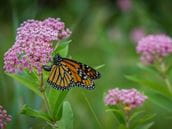
Milkweed grows throughout the US and is essential for the survival of monarch butterflies. All parts of the plant contain toxic cardiac glycosides, which can cause nausea, vomiting, diarrhea, weakness, and heart rhythm changes. Milkweed can also irritate the skin and eyes if touched.
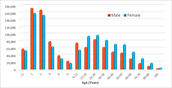
In 2023, the 55 US poison control centers (Poison Control) provided telephone guidance for nearly 2.1 million human poison exposures. That's about 6.2 poison exposures/1,000 population, 32.1 poison exposures in children younger than 6 years/1,000 children, and 1 poison exposure reported to US poison control centers every 15 seconds.
Don't guess what you should do. Get accurate Poison Control answers online or by phone. Both are free and confidential.
or CALL 1-800-222-1222


The Poison Post® is a free, quarterly
e-newsletter delivering poison prevention tips right to your inbox!
Learn the Poison Help jingle in English or Spanish. Use these jingles to teach the Poison Control number: 1-800-222-1222. Available for download.