The Poison Post - Summer 2010 Edition

The Poison Post®

National Capital Poison Center eNewsletterSummer 2010 Edition
New Findings About
Inhalant Abuse
 
Teen
 
Over a fifteen-year period, teens in the U.S. abused more than 3,400 different products by inhaling them. In a new study, researchers at the National Capital Poison Center found that butane, propane, and air fresheners had the highest fatality rates. The peak age of inhalant abusers was 14 years old.
 
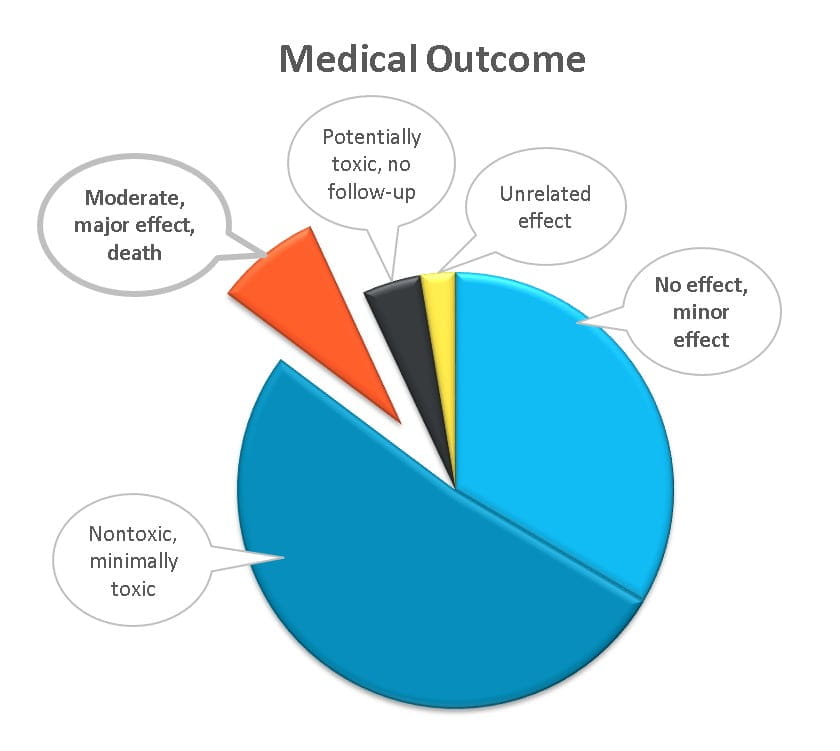
This study included 35,453 inhalant abuse cases. The age range was from 6 to more than 50 years old, though most abusers were in their teens. Boys accounted for 73.5% of cases. Most patients were treated in an emergency department. Of those with known outcomes, 208 died and more than 1,000 experienced life-threatening or permanently disabling illnesses. Only 25 percent of cases had no effects at all.
 

     inhalants

The most commonly abused substances were propellants, especially aerosol dusters (e.g. computer keyboard and electronics sprays), followed by gasoline and paint. Other products ranged from hair spray and spray deodorant to glue, typewriter correction fluid, and carburetor cleaner.

 
There are implicit messages for parents in these findings:

  • When teaching children to avoid drugs, tobacco, and alcohol, also teach them about inhalants.
  • Monitor the use of household products. Are they in the right place? Are there lots of empties? Do you find solvent-soaked rags and smelly plastic bags?
  • Monitor children for signs of inhalant abuse, such as irritation around the mouth and nose and solvent odors on breath and clothing.
More information about inhalant abuse prevention is available on National Capital Poison Center's website.
 
 glue
In This Issue
New Findings about Inhalant Abuse
Test Your Poison Smarts!
You Can Help Protect the Water Supply
Pesticides and Nerve Agents
Don't Feed Honey to Infants
Man spraying 
Test Your Poison Smarts!
 
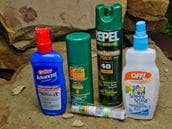
True or False: More insect repellent is always better.  Get the answer to this question along with quick tips to keep you and your family safe this summer!


 water supply
You Can Help Protect the Water Supply  
Do you know how to properly dispose of medications? Should you flush them down the drain or toilet; should they go in the trash? Find out here!


pesticide being sprayed
Pesticides and Nerve Agents Have Something in Common
Organophosphate pesticides are commonly used in and around homes, but related chemicals have been used as chemical warfare agents, specifically nerve agents. Learn more...


honey  Don't Feed Honey to Infants
Children under the age of 12 months are at risk of infant botulism if they are fed honey or anything with honey in it. Botulism spores can be found in honey; when swallowed, the spores release a toxin. Infants' systems are too immature to prevent this toxin from developing. 


The National Capital Poison Center depends on generous contributions from individuals, foundations, and corporations. In addition, partial funding is provided through grants and contracts from the U.S. Health Resources and Services Administration (HRSA), the Commonwealth of Virginia, the State of Maryland, and the District of Columbia.

     © 2010.  National Capital Poison Center.  All rights reserved.